
Breastfeeding is a Critical National Health Priority
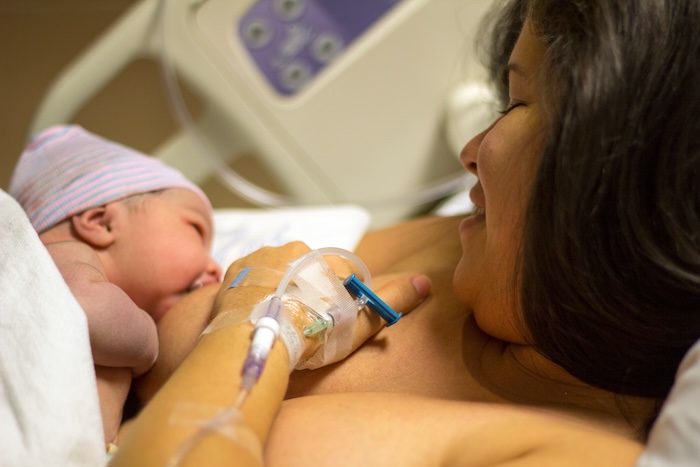
Breastfeeding is a Critical National Health Priority

Research shows that most mothers want to breastfeed their babies.
Of the 3.5 million mothers who give birth in the U.S. each year, 84% start out breastfeeding—but more than half stop sooner than they planned, because they lack skilled, consistent support. When families don’t receive the help they need, both mothers and babies face increased, lifelong health risks.
The optimal start for every child includes breastfeeding within the first hour after birth, exclusive breastfeeding for the first six months, and continued breastfeeding with complementary foods through two years or longer. This guidance comes from the World Health Organization (WHO) and UNICEF.
In the U.S., roughly 62.1% of babies receive some breast milk at 6 months, only about 27.9% are exclusively breastfed through 6 months, and around 40.8% are still being breastfed at 12 months—with far fewer (about 11.5%) continuing to 24 months or beyond.
Breastfeeding is crucial for babies, parents, communities, and the planet:

Health and survival of infants
- Breastfeeding within the first hour significantly reduces infant mortality and offers protection through the first six months of life
- Reduces diarrhea, respiratory infections, and ear infections
- Lower risks of childhood overweight and obesity, as well as type 2 diabetes later in life

Nutrition goals
- Exclusive breastfeeding for the first 6 months supports optimal physical growth and neurological development
- Combined with safe, nutritious complementary foods, breastfeeding after six months helps protect against hunger, undernutrition, and obesity
- Healthy People 2030 aims for 42.4% of infants to be exclusively breastfed through six months and 54.1% to continue breastfeeding at one year

Food security
- When power is lost or clean water is unavailable, breast milk remains a safe, ready-to-use food that protects infants from dehydration and infection
- Infants who rely on formula face higher risks in crises, particularly when safe preparation, storage, and access cannot be guaranteed
- Protecting, promoting, and supporting breastfeeding strengthens community resilience, helping families weather emergencies and recover more safely

Healthier parents
- Breastfeeding lowers the risk of maternal breast and ovarian cancer, type 2 diabetes, high blood pressure, and heart disease
- When supported to meet their feeding goals, mothers experience lower rates of postpartum depression and anxiety, reduced stress, and stronger bonding
- Supporting breastfeeding benefits postpartum recovery and lifelong well-being

Economic growth
- The U.S. loses more than $100 billion each year due to higher rates of childhood illness, missed workdays, and lost long-term potential.
- Higher illness rates among formula-fed infants leads to more medical visits and more lost work time for parents
- Meeting national breastfeeding recommendations could save billions in health care costs by reducing preventable illness and related expenses

Environmental sustainability
- Breastfeeding requires no manufacturing, packaging, transport, or waste disposal
- Breast-milk substitutes increase greenhouse gas emissions at every stage of production, transport, preparation, and use—and generate significant waste
- Manufacturing infant formula produces substantial carbon dioxide emissions, underscoring the environmental cost of breast-milk substitutes
Baby-Friendly Care: Proven Support for Breastfeeding Success
Baby-Friendly designated facilities implement the Ten Steps to Successful Breastfeeding, the evidence-based foundation of the Baby-Friendly Hospital Initiative (BFHI).
Research shows that these practices improve breastfeeding outcomes—and that the more of the Ten Steps families experience, the more likely they are to meet their feeding goals. When the Ten Steps are fully implemented, studies also show that racial disparities in breastfeeding outcomes are eliminated.
From prenatal breastfeeding education and immediate skin-to-skin contact, to skilled lactation support and discharge planning that connects families to ongoing care, Baby-Friendly facilities provide consistent, evidence-based breastfeeding support—delivered with compassion and tailored to each family’s needs.

For Facilities
Learn more and start your designation journey

For Families
Find a Baby-Friendly designated facility near you