
Frequently Asked Questions About BFHI
Frequently Asked Questions About BFHI
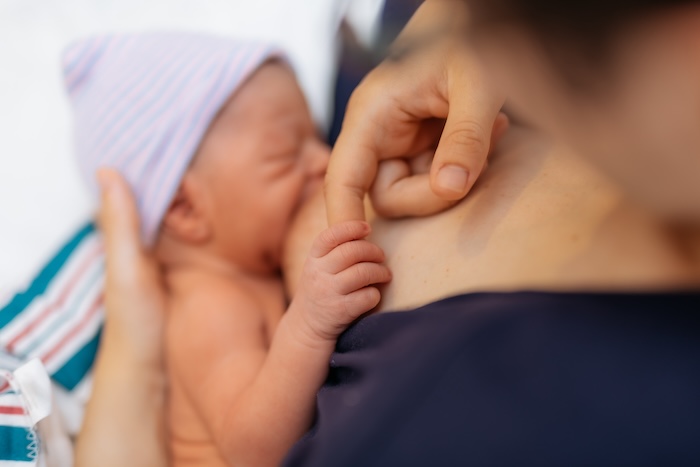
Families and healthcare teams often have important questions about what Baby-Friendly designation means in practice. Below, you’ll find answers to the questions we hear most often—describing what parents can expect and how designated facilities support respectful, high-quality, individualized infant feeding care.
Q. How do Baby-Friendly facilities support families’ individual infant feeding choices?
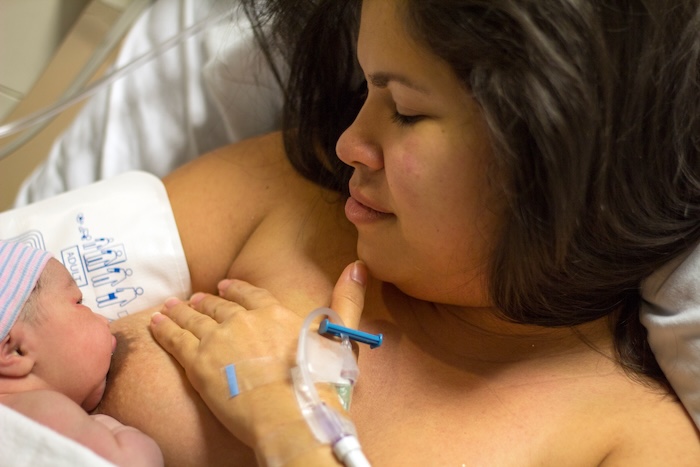
A: Baby-Friendly facilities are committed to creating an environment that supports every family’s feeding decisions with respect, compassion, and evidence-based care. While health authorities agree that breastfeeding is optimal infant nutrition, we recognize that it isn’t possible in every situation, that supplementation may be medically appropriate, and that some mothers will choose not to breastfeed.
Every mother has the right to clear, unbiased information—free from commercial influence—so she can make the decision that feels right for her and her baby. Baby-Friendly designated hospitals are expected to honor each family's choice and treat all mothers with dignity and respect, regardless of their feeding decisions.
Q: Is infant formula available in Baby-Friendly facilities for families who want to use it?
A: Yes. Baby-Friendly designated facilities understand that some families prefer to use formula or may need it for medical reasons, and formula is available and supported in these situations.
To protect families from commercial pressure, facilities are required to purchase formula and feeding supplies at fair market value, in line with the International Code of Marketing of Breast-milk Substitutes. This ensures families receive unbiased, evidence-based information as they make the feeding decisions that are right for them.
Q: Are Baby-Friendly designated facilities required to maintain a certain exclusive breastfeeding rate to keep their designation?
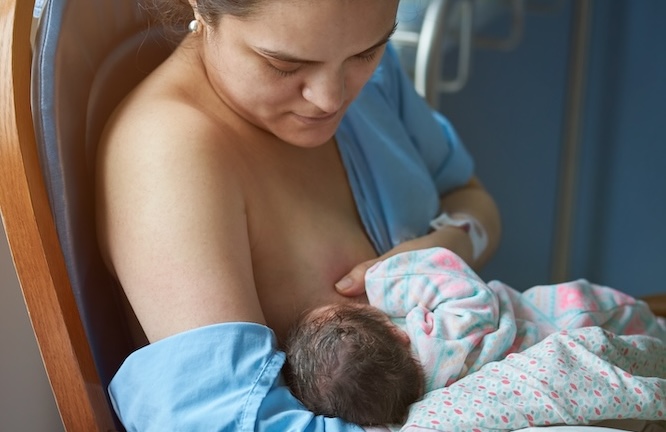
A: No—exclusive breastfeeding rates are not a requirement for Baby-Friendly designation in the U.S. Instead, facilities track their rates to better understand how well they’re supporting families and to continually improve the quality of their infant feeding care. Monitoring these outcomes helps ensure that every family receives the guidance and support they need, whatever feeding path they choose.
Q: Do parents who choose not to breastfeed have to sign a waiver at Baby-Friendly designated facilities?
A: No—there is no waiver to sign. If a parent decides not to breastfeed, a staff member simply talks with the mother about her feeding options and the health considerations, and then documents the conversation and her feeding decision in the medical record. The goal is to ensure parents receive supportive, accurate, respectful information.
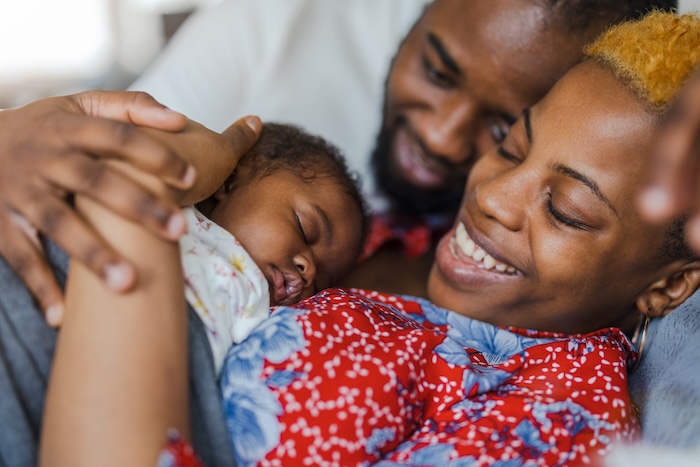

Q: How do Baby-Friendly facilities help mothers in care for their newborns while they are rooming in? What if the mother is tired or in pain during her recovery?
A: Rooming-in is encouraged because being together helps mothers get to know their baby’s cues and supports feeding and bonding—but it doesn’t mean doing everything alone. Hospital staff provide ongoing, attentive support throughout the stay, helping with baby care and checking in regularly. Mothers are encouraged to ask for help at any time, especially if they’re tired, in pain, or recovering from birth, and staff ensure they know exactly how to reach someone whenever they need assistance.
Q: Are Baby-Friendly designated facilities required to close their newborn nurseries?
A: No—there is no requirement to close newborn nurseries. While rooming-in is encouraged because it supports bonding and helps parents learn their baby’s cues, Baby-Friendly facilities understand that separation is sometimes necessary. Rooming-in can be paused or adjusted for medical needs, safety considerations, or simply based on the family's informed preferences. Facilities work with families to find the approach that supports both safety and comfort.
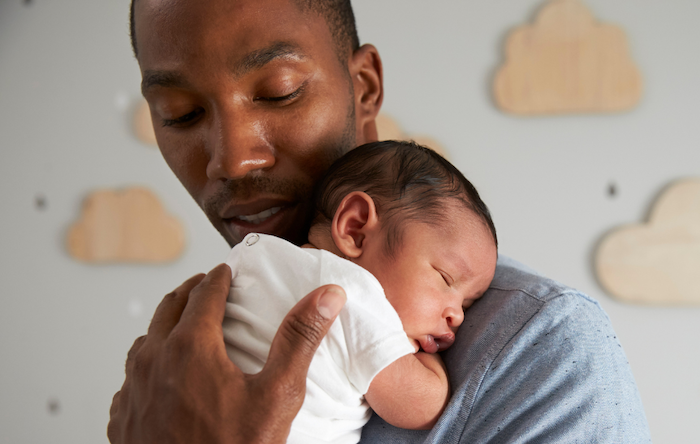
Q: What steps do Baby-Friendly designated facilities take to ensure parents practice skin-to-skin safely with their newborns?
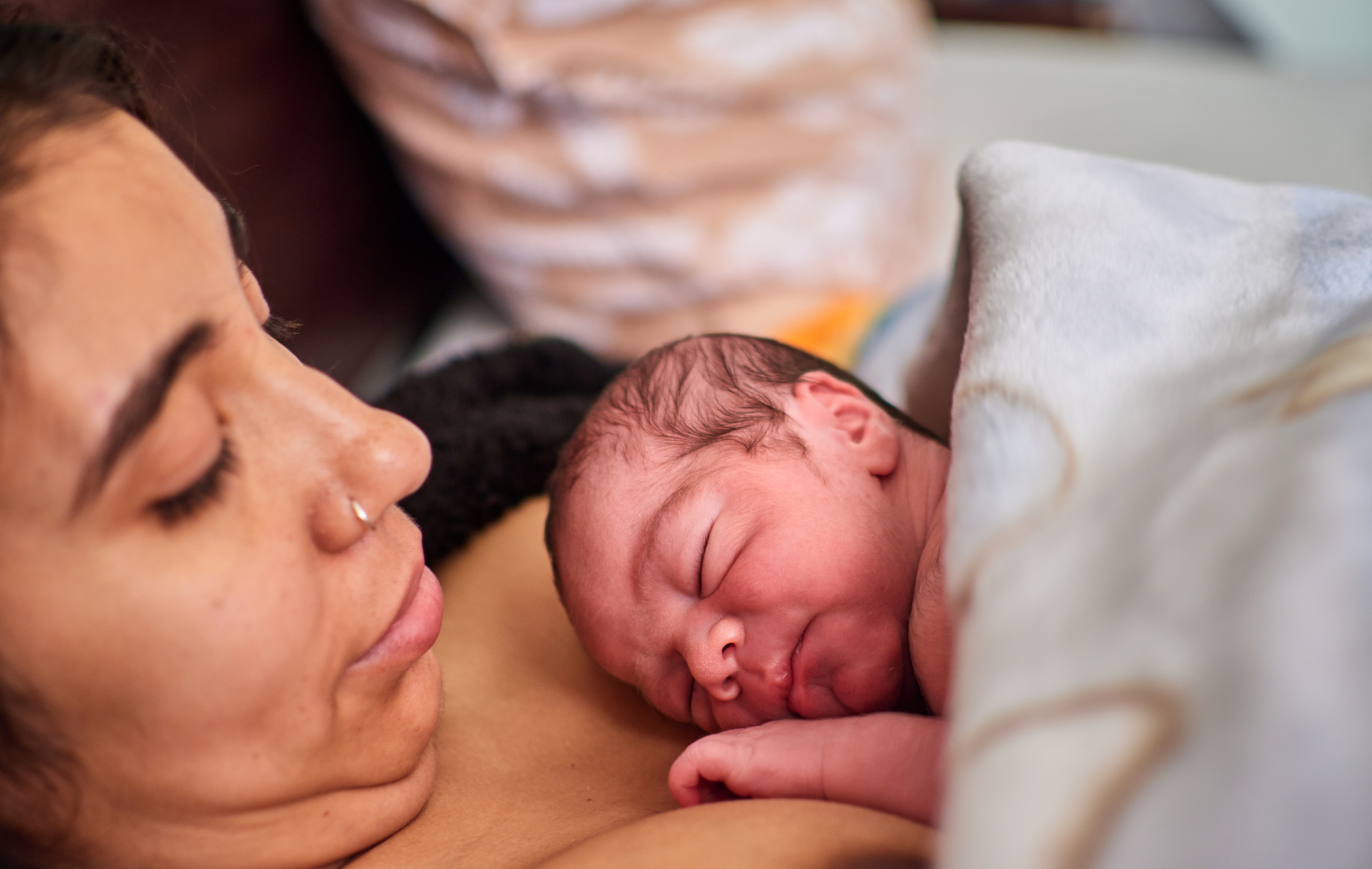
A: Skin-to-skin care is a wonderful way to comfort a newborn and support early breastfeeding, and staff are there to help parents practice it safely. They provide guidance on how to position the baby, what to expect, and how to recognize when help is needed. A key part of this teaching includes reassuring mothers that feeling sleepy during breastfeeding is a normal, hormonally driven response—for both parent and baby. To keep everyone safe, mothers are encouraged to ask for assistance from hospital staff (and, at home, from a support person) so the baby can be placed on their back in the bassinet or crib whenever sleepiness sets in.
Q: Every new family is unique. How do Baby-Friendly designated facilities provide individualized care?
A: Baby-Friendly designated facilities are committed to supporting each family’s needs with flexibility, clinical judgment, and compassion. The Guidelines and Evaluation Criteria are designed to guide care—not to impose rigid rules—so healthcare professionals can make appropriate, case-by-case decisions. Extra attention is provided for high-risk or special-needs mothers and infants, families who are experiencing breastfeeding challenges, and situations where mother and baby must be separated. Each family’s circumstances are honored, and care is tailored to help them feel supported every step of the way.



Have additional questions/need additional information? Contact us.